
The Ring
Written by Ruth Riesenbach in 1995
Ruth’s first-person recollection of her first encounter and growing relationship with Jacob (Jack) and Ida Augenbraun. Jack was a first cousin to Ita Riesenbach. Both survived the Holocaust and made their way to Winnipeg in the 1950s. When Jack died, Ruth and Joe took Ida under their wings and cared for her until she passed away.
I met her for the first time in 1952, only a few months after I was married. She and her husband, Jack, had just arrived from Israel, after having lived there for two years. I recall the feeling of excitement in the group who greeted them at my in—laws. He was my mother—in—law’s first cousin from Poland whom she hadn’t seen for many years and discovered only recently he had survived the war. They had been married in Bresslau in 1950 he a 40+ bachelor and she an Auschwitz survivor, who had lost her entire family in the Holocaust, including two daughters, Rennia and Luscia. Ida was a natural beauty, with pitch black hair, worn in a bun and blue—green, sparkling eyes. No one wore makeup in those days.
My husband and I decided to move to Toronto a short while after they arrived, and we didn’t form much of a relationship with them at the time. We lived in Toronto for almost two years and when we returned to Winnipeg, we became involved in our own little world of work and family. The years went by — our family grew, and we saw little of Jack and Ida. We knew that they were working in clothing factories, and later in a variety of businesses. Occasionally our paths would cross at family functions, but we seldom spent much time with them. Over the years we did visit them at their latest acquisition — a combination grocery store/ restaurant in the vest end of the city . They worked seven days a week and had little time for socializing. Eventually they built a billiard parlour next to the existing building and converted the grocery to a small rooming—house. They were very proud of their new business, having endured months of frustration and aggravation in the course of acquiring building permits and arranging construction. It was a first for a Jewish couple to be involved in an enterprise such as this, and they had a grand opening attended by many dignitaries and friends. Here, too, they spent long hours and commuted daily from one end of the city (where they had bought a house) to the other side of town. In the dead of winter, they had to make the trip twice a day, coming home past midnight, only to rise early the next morning to open up again. Many times they waded through snowdrifts, half crawling into their home, with limbs frozen from a Winnipeg winter. Jack was afraid that outsiders would know their routine because he carried the daily cash receipts with him until the next day when they would be deposited in the bank. That is why he preferred using public transportation, rather than calling for a taxi that could have picked them up and delivered them to their door. In retrospect, I can’t blame him, but it sure put an extra strain on their energies. Like everyone else from that era, they sacrificed their own convenience in order to save for a comfortable retirement.
As our family grew and we celebrated Bar Mitzvahs and later weddings, we began to see then more often at our own functions. Our relationship grew from acquaintances to friends, and we developed warm feelings for both of them. They visited our home; we chauffeured them to and from the airport when they travel led to Jack’s relatives in New York and we invited then for holiday dinners twice a year. The time came for them to retire, and after a few abortive attempts at selling the business, they finally found a reliable tenant. At last they could relax and reap the fruits of their labor. The first thing they did was take a trip to Israel, where they looked up old friends. We saw them soon after their return and shared their pictures and stories with them.
But fate had other plans in store. Jack had been a heavy smoker all his adult life, in spite of Ida’s pleadings for him to quit. One Monday morning, three year after his retirement he returned from a shopping trip downtown, had lunch and immediately complained of severe heartburn. An ambulance was summoned, arriving in moments, and he was taken to hospital. As Ida recalled later, he was fully alert and lucid when they allowed her to see him. He even spoke to her and didn’t seem to be in any immediate danger. She was asked to leave the room, and within a short time, the doctor came out and told her that he had passed away. I got the message late in the afternoon and rushed over to her house. I found her in a hysterical state, surrounded by a few of her close neighbors.
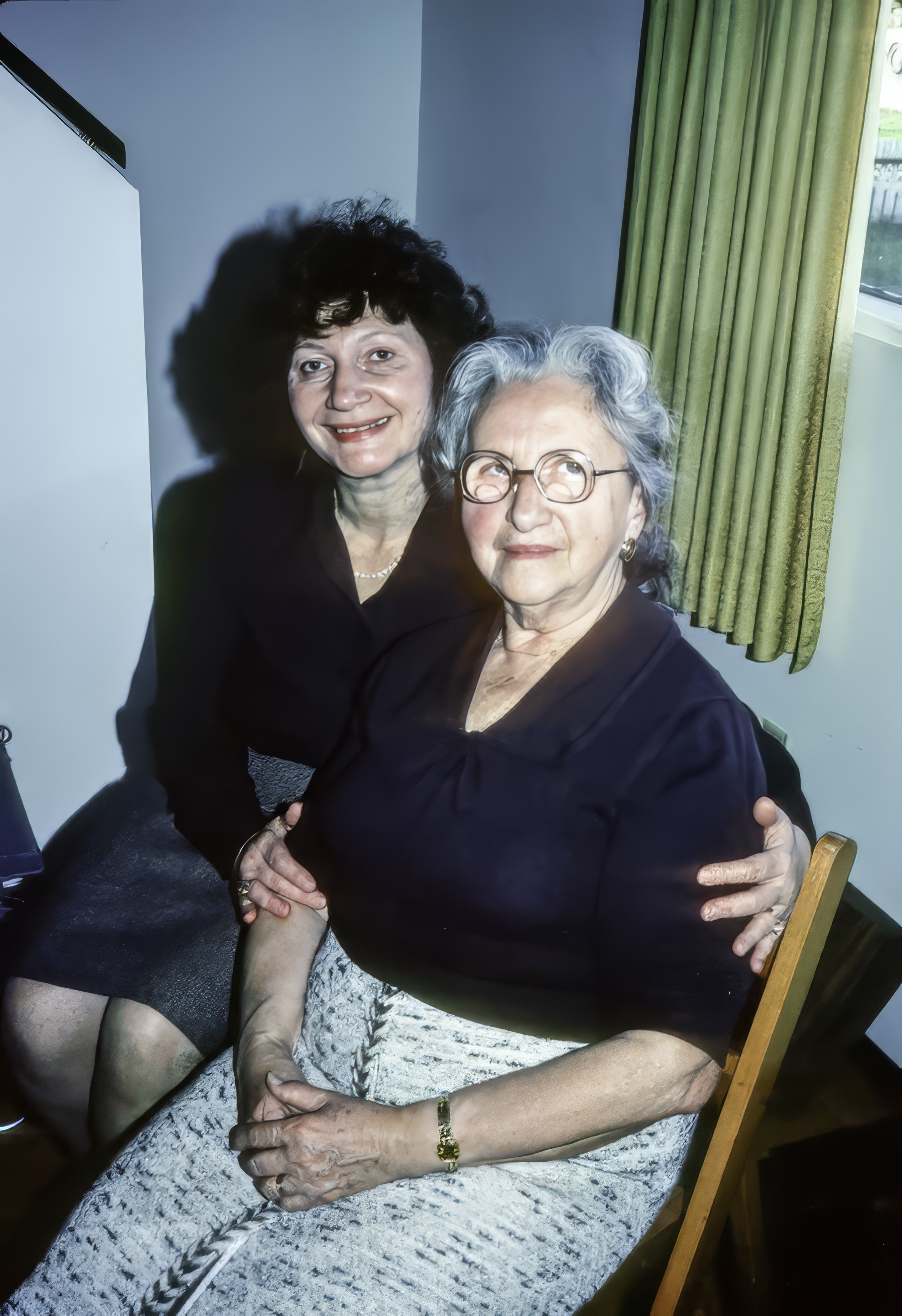
That day, my husband and I made a pledge to her and to each other that we would adopt her into our family circle as a dear relative and would do all we could to look after her. The day of the funeral came and went. During the week of Shiva, none of Jack ‘g relatives from New York came a deep hurt that remained with Ida for many years. Having been left in this world without a relation to her name, she felt lost and abandoned. Between ourselves and a few neighbors, we were all the “family” she had in the world. No one from her family survived the war. Dozens of inquiries had been made both in Poland and in Israel, and later here in Canada. To her great misfortune, not a trace was ever found.
Nine years went by after she lost Jack. Our relationship evolved into a “mother/ daughter” one, even though I still had (and continue to have) my own mother, who was very willing to share “our daughter” with her. She became an integral part of our family and my children and grandchildren called her “Auntie Ida”. I spoke with her daily on the phone, picked her up for outings and weekly meals at our home on a regular basis. In general, I was very involved with her, sometimes to the detriment of my other relationships. I was still working then and had to juggle my time to suit her and my many other obligations. We enjoyed her company very much. She was an intelligent, generous and refined lady, who had suffered great loss in her life. I tried very hard to fill that void.
She entrusted me with every aspect of her existence personal as well as financial, and there were no secrets between us. She had witnessed some of the most heinous crimes perpetrated on humanity, having been incarcerated in two concentration camps and bore the Auschwitz identity number on her arm. She believed that the world must never forget, and never missed a television program or movie dealing with the Holocaust.
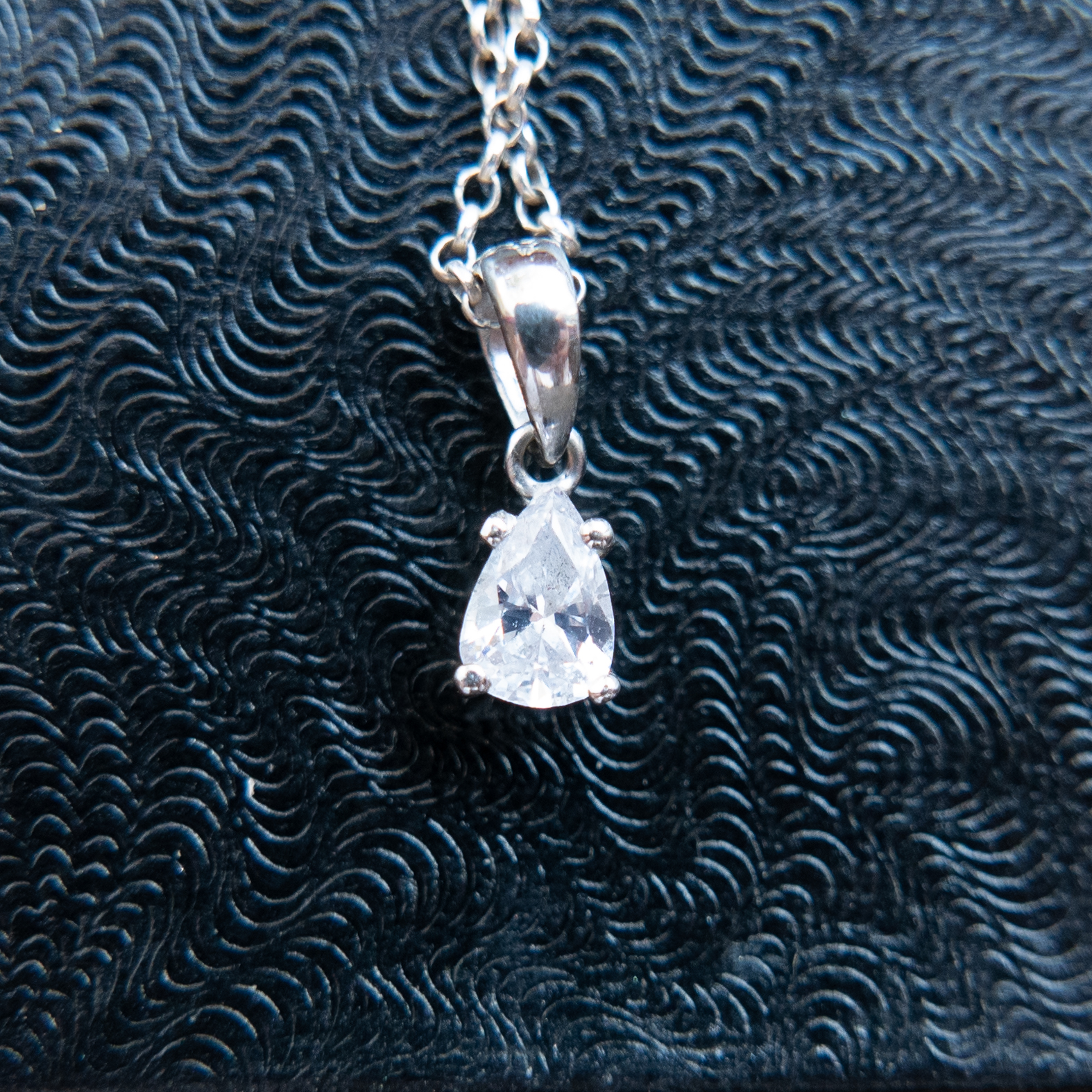
One incredible story she told me was about her engagement ring given to her by her first husband, “Natan”. They had been married thirteen wonderful, blissful years when the war broke out. He had adored her and their twin daughters. The ring was designed like a flower, with a large diamond in the centre, surrounded by several smaller stones. She told me how she had kept it hidden throughout the years of incarceration in the camps. Wrapped in a tiny cloth, she inserted it in her rectum. Discovery would have meant certain death, as all valuables had long ago been confiscated by the Germans. I asked her how she managed to go to the bathroom! By removing it each time and replacing it again. If by some miracle she would survive the war, the ring could buy food for herself and her daughters, who were still with her at the time. But when she was freed from Auschwitz, they were no longer with her, as they had been separated just prior to liberation. Attempts .at finding them came to a dead end. She never knew their true fate, despite many false leads. The pain of their loss and the loss of her other loved ones remained with her to the day she died.
Ida suffered from anxiety, nightmares and self-recrimination daily, hiding her feelings from Jack when he was alive so as not to hurt him.
She disliked doctors and distrusted them due to the bad experiences she had with quacks in Europe before the war. No amount of pleading could change her mind and I had a hard time convincing her to go for a yearly checkup. In the late summer of 1990, it became obvious that there was something seriously wrong with her, A medical checkup revealed that further tests needed to be done. Ultrasound revealed cancer of the liver. By November her condition warranted admittance to hospital and further tests indicated that other organs had been affected. We were told that it was too late to do anything, and we should concentrate on making her as comfortable as possible. By mid-December, they managed to stabilize her condition enough to allow her to come home. We hired round—the—clock care, but after a week, she deteriorated and had to be readmitted. It was during the hospital strike, December 31, 1990, and only emergencies were allowed in. Her own doctor didn’t respond to phone calls, and I had to plead with the resident physician to give her enough medication to ease her pain. Soon after, she lapsed into a coma and lingered for five days. Between nurses, close friends, Nettie and Gordon, and me and my husband, we kept vigil until January 5, 1991, when her heart finally stopped beating.
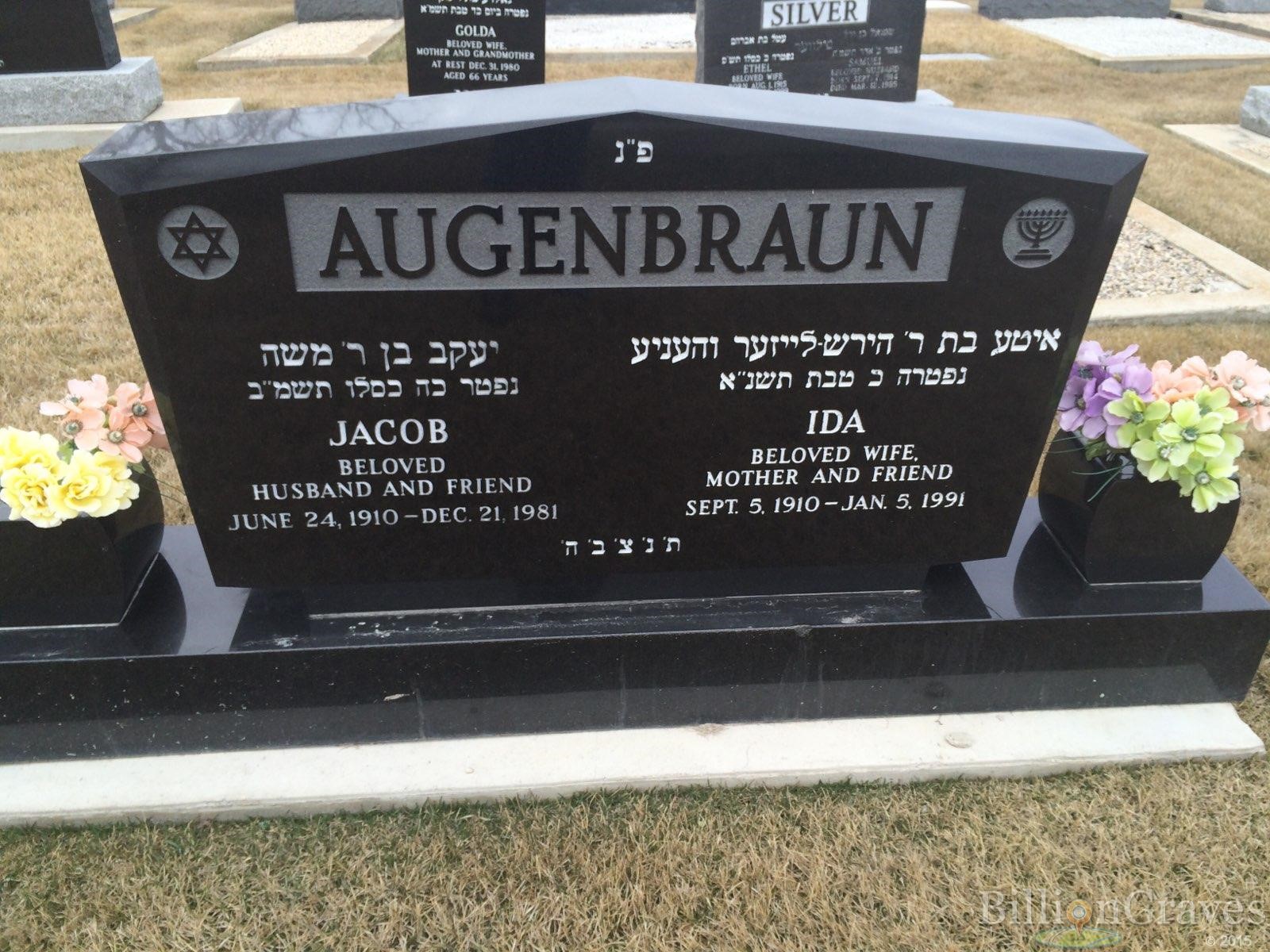
Looking back, I find comfort in the fact that she didn’t know how seriously ill she was until close to the end. At least she enjoyed her remaining time on earth without the burden of an incurable disease on her shoulders. What purpose would it have served if she had known months earlier what lay in store for her? One of the last things she said to me, was, Please, don’t let me die alone. We fulfilled her last wish and although it was a bitterly cold January, a large crowd attended her funeral. She was laid to rest beside Jack, and I kept my promise to her made years ago that I would visit her grave at least once a year and place flowers.
Her ring lies in a safety deposit box, together with other articles of jewelry she left me. I want to wear it, but I could not, until I wrote her story. Now that it’s finished, I will take
it out of its resting place and with deep humility, place it on my hand . By so doing, I hope to bear witness to the story that lies behind that ring. I will pass it on to my children, and they in turn to their children. Someday the story will be lost, as many tales disappear with time. But for the present, it will live on as a symbol of suffering, courage and hope.
 Riesenbach.com